
Pregnancy is a remarkable journey but for some women, the early weeks can be overshadowed by Hyperemesis Gravidarum (HG), a severe form of nausea and vomiting that goes far beyond typical “morning sickness.” HG can affect your daily life, hydration, nutrition, and emotional wellbeing, and it’s important to know what it is, when to seek help, and how it’s managed here in Ireland.
What Is Hyperemesis Gravidarum?
Hyperemesis gravidarum is a medical condition where persistent, intense nausea and vomiting make it difficult to keep food or fluids down. Unlike ordinary pregnancy sickness, which affects many women and usually eases after 12–14 weeks, HG:
- Often begins early in the first trimester
- Can cause significant dehydration
- May lead to weight loss and electrolyte imbalance
- Can affect everyday functioning and quality of life
HG is more than feeling queasy it’s a severe health issue that requires care and support.
How Common Is It?
HG isn’t as frequent as mild morning sickness. Estimates suggest it affects roughly 0.3%–3.6% of pregnancies. Though uncommon, when it occurs it can be debilitating and require clinical intervention.
Symptoms to Watch For
Hyperemesis gravidarum can include:
- Persistent, forceful vomiting
- Inability to keep down fluids or food
- Dizziness or faintness
- Significant weight loss
- Signs of dehydration (e.g., dark urine, reduced urination)
If these symptoms are present, especially in the first trimester, talk to
your GP, obstetrician or midwife promptly.
Getting Help in Ireland
In Ireland, early support can make a big difference. Depending on severity, care may include:
GP or Midwife Support
Your GP or midwife can assess symptoms, check hydration, and may prescribe anti-sickness medication safe in pregnancy. They can also advise whether you should attend the Emergency Department of your local hospital or maternity unit.
Maternity Hospital Treatment
If you’re unable to keep down fluid and are dehydrated or losing weight, hospital treatment with intravenous fluids, vitamins, and anti-emetics may be necessary this helps prevent complications and support your health.
Specialist Clinics and Support Groups
Organisations such as Hyperemesis Ireland provide resources, peer support, coping strategies and guidance on treatment options for HG.
Coping Strategies
While you’re waiting for clinical treatment or between appointments, you might find these tips helpful:
- Rest when you can fatigue can worsen symptoms.
- Small frequent sips and meals gentle intake may be easier than larger portions.
- Track your symptoms understanding patterns and triggers can help your care team tailor support.
- Talk about the emotional impact severe sickness can take a toll on your mental health; don’t hesitate to seek support.
HG and Your Ultrasound Experience
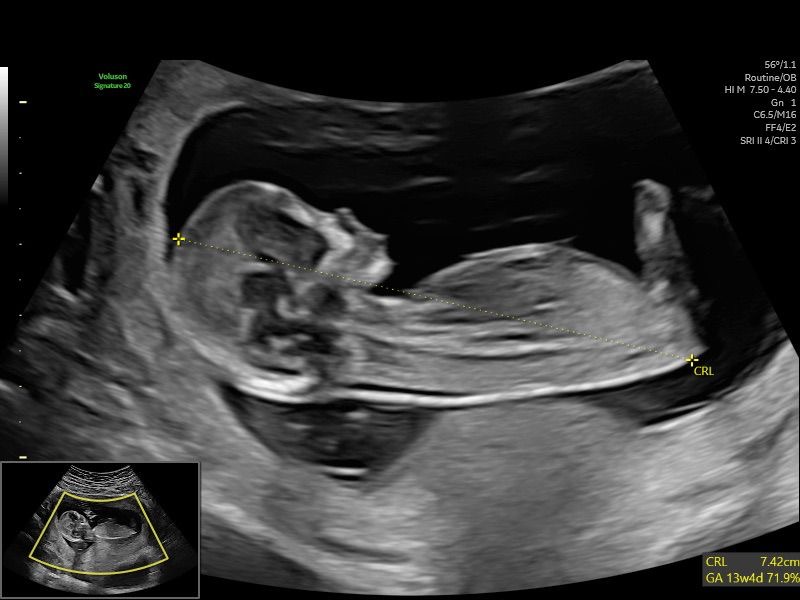
At HerView Ultrasound, we understand that for women experiencing HG, every scan appointment can feel like a welcome oasis a moment to connect with your baby amidst physical discomfort. We always aim to provide a calm, supportive environment where you feel seen and heard. Ultrasound itself doesn’t treat HG, but seeing your baby and confirming a healthy heartbeat and check for a multiple pregnancy can offer reassurance during an otherwise tough chapter.
Final Thoughts
Hyperemesis gravidarum is a clinical condition not “just bad morning sickness.” It deserves early recognition, personalised care, and compassionate support. If you’re struggling, reach out to your healthcare team. Getting the right help early can improve your wellbeing and protect your pregnancy.
Need support or have questions?
HerView Ultrasound is here to help. We’re committed to high-quality imaging and education for every parent-to-be.